Does whitening damage teeth? Myths and facts
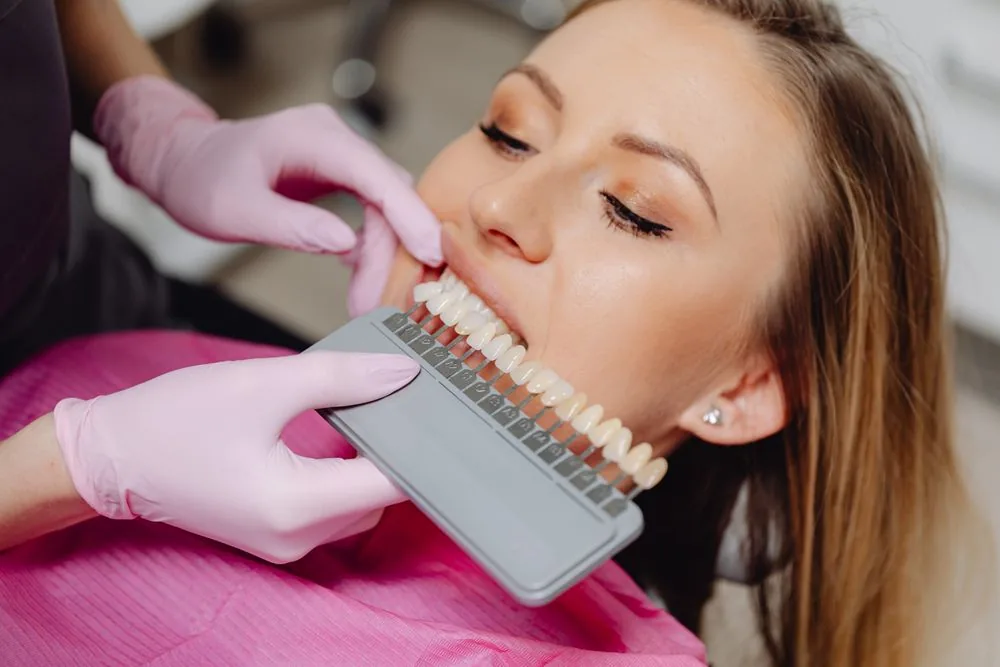
Many myths circulate around teeth whitening. Here we separate fact from fiction so you decide with information.
Myth: 'whitening destroys enamel'
False. A professional whitening, properly indicated, doesn't damage enamel. It acts on the pigments, it doesn't 'file down' the tooth. The risk appears with inadequate or misused products.
Fact: 'it can cause temporary sensitivity'
True. It's the most common side effect and is usually temporary. The professional adjusts the concentration and uses desensitizers to minimize it.
Myth: 'it leaves teeth artificially white'
False when done by a professional: a natural, harmonious shade is sought. Exaggerated results usually come from poorly planned expectations or uncontrolled products.
Fact: 'it doesn't work the same on all teeth'
True. Stains from antibiotics, trauma or restorations (resins, veneers) respond differently. That's why a prior assessment is advisable.
Properly indicated and supervised, whitening is safe; the problem is home shortcuts.
The key: professional supervision
The difference between safe and risky whitening is in the diagnosis and supervision. A professional protects your gums, manages sensitivity and seeks a natural result.
Frequently asked questions
Does whitening weaken the tooth?
No, if it's professional and well indicated. It acts on the pigments, not the tooth's structure.
Is the sensitivity permanent?
No, it's usually temporary and managed with desensitizers and treatment adjustments.
Can I whiten if I have cavities?
Cavities and oral health are treated first; then whitening is done safely.
Whiten safely
Book your assessment and do your whitening with professional supervision.
Book appointment