Whitening vs. veneers: what suits me?
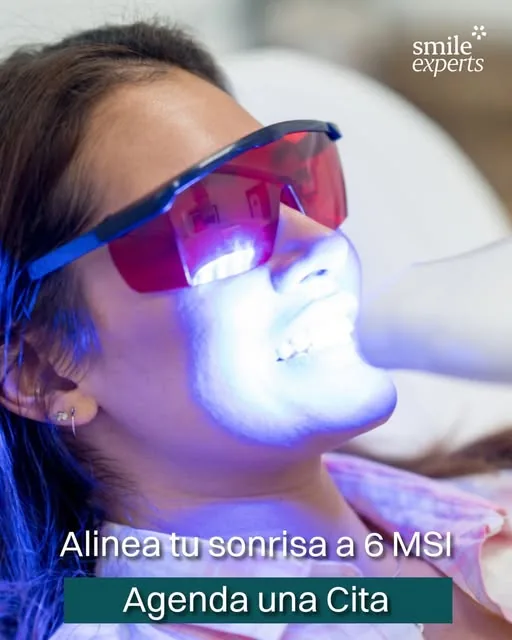
When you want to improve your smile, two names come up: whitening and veneers. They aren't the same, nor do they solve the same thing. Here we help you understand which suits you.
What does whitening solve?
Whitening lightens the color of your natural teeth, removing stains and pigments. It's conservative and doesn't change the shape of the teeth. It's the ideal option if your teeth are healthy and well-positioned, and you only want them whiter.
What do veneers solve?
Veneers are thin shells that transform color, shape and proportion. They resolve stains that don't respond to whitening, small gaps, chips or irregular shapes. They're the basis of a comprehensive 'smile design'.
Quick comparison
| Criterion | Whitening | Veneers |
|---|---|---|
| Changes color | Yes | Yes |
| Changes shape | No | Yes |
| Reversible | Yes | Requires minimal reduction |
| Durability | Months to years | Many years |
| Initial cost | $ | $$$ |
Which suits you?
If your teeth are healthy and only need more brightness, whitening is the simplest, most economical option. If you also want to change shape, close gaps or cover stains that don't lighten, veneers offer a comprehensive transformation.
Sometimes the answer is a combination: whiten first, then plan the rest. It's defined at the assessment.
Frequently asked questions
Do veneers whiten?
Veneers don't whiten your natural teeth; they cover them with the chosen shade. If you want more brightness, it's planned from the design.
Can I do both?
Yes, a common strategy is to whiten the natural teeth and then design veneers in a harmonious shade.
Design your ideal smile
Book your aesthetic assessment and we'll tell you which option suits you.
Book appointment