Tartar and plaque: why brushing isn't enough
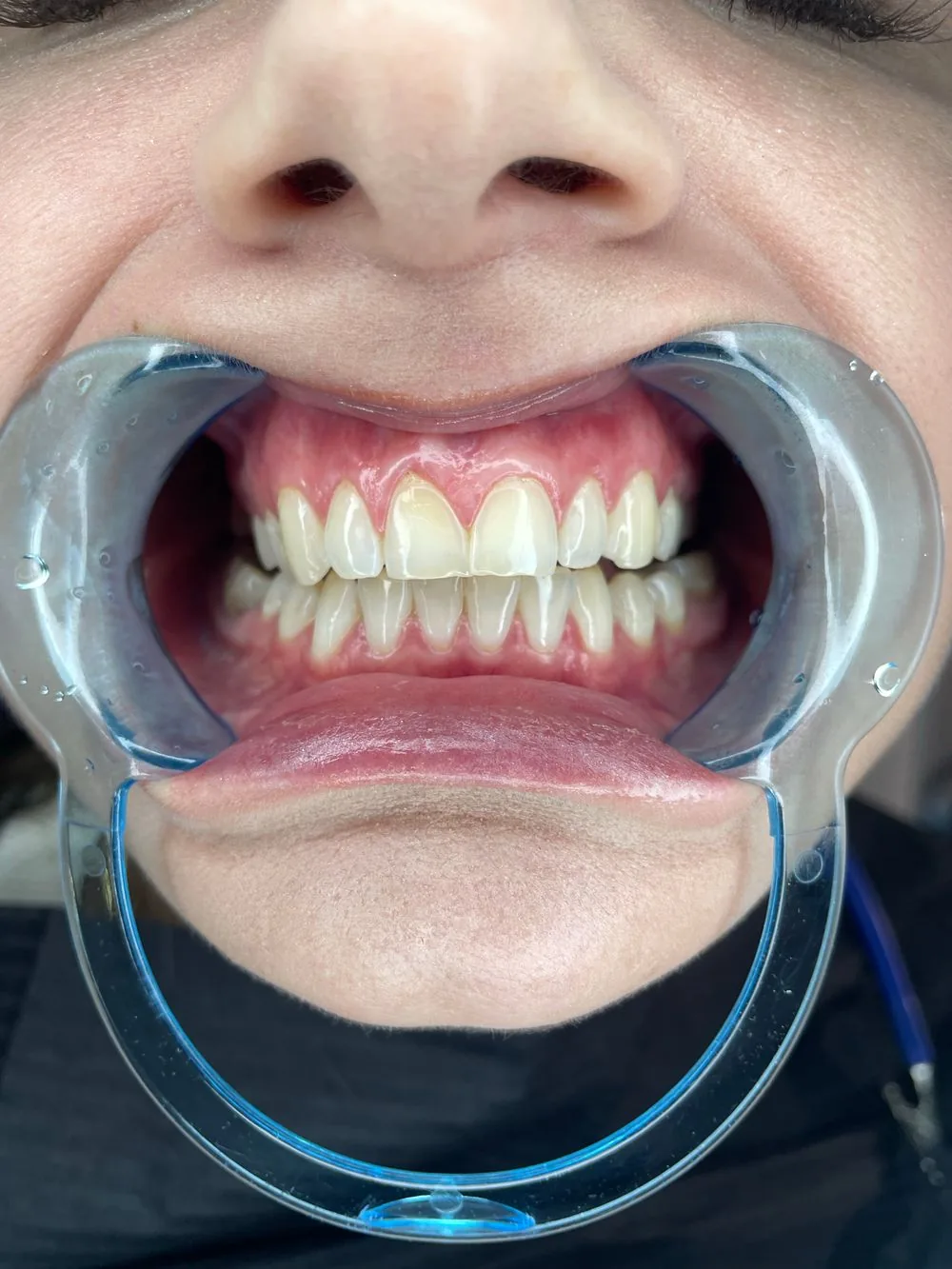
You brush every day and still they find tartar. Why? Because the brush controls plaque, but can't remove already-formed tartar. Here's the difference.
What is plaque?
Plaque is a sticky film of bacteria that constantly forms on the teeth. If not removed with brushing and floss, it produces acids that cause cavities and inflame the gums.
What is tartar?
When plaque isn't removed, it mineralizes and hardens, forming tartar (calculus). Tartar sticks firmly to the tooth and can no longer be brushed away: only with professional instruments.
Why brushing isn't enough
- The brush removes plaque, not hardened tartar.
- There are hard-to-reach areas (between teeth, below the gum).
- Tartar keeps accumulating plaque and bacteria.
The solution: prevention + cleaning
The winning combination is daily hygiene (brushing, floss, maybe a water flosser) to control plaque, plus periodic professional cleanings to remove the tartar that inevitably forms.
The brush prevents tartar; professional cleaning removes it. You need both.
Frequently asked questions
Can I remove tartar at home?
Not safely. Hardened tartar requires professional instruments; home remedies can damage enamel or gums.
Why does tartar form if I brush?
Because some plaque always remains in hard-to-reach areas that, over time, mineralizes.
Does tartar cause bad breath?
Yes, it retains bacteria that produce odor and inflame the gums.