Root canal (endodontics) in Polanco
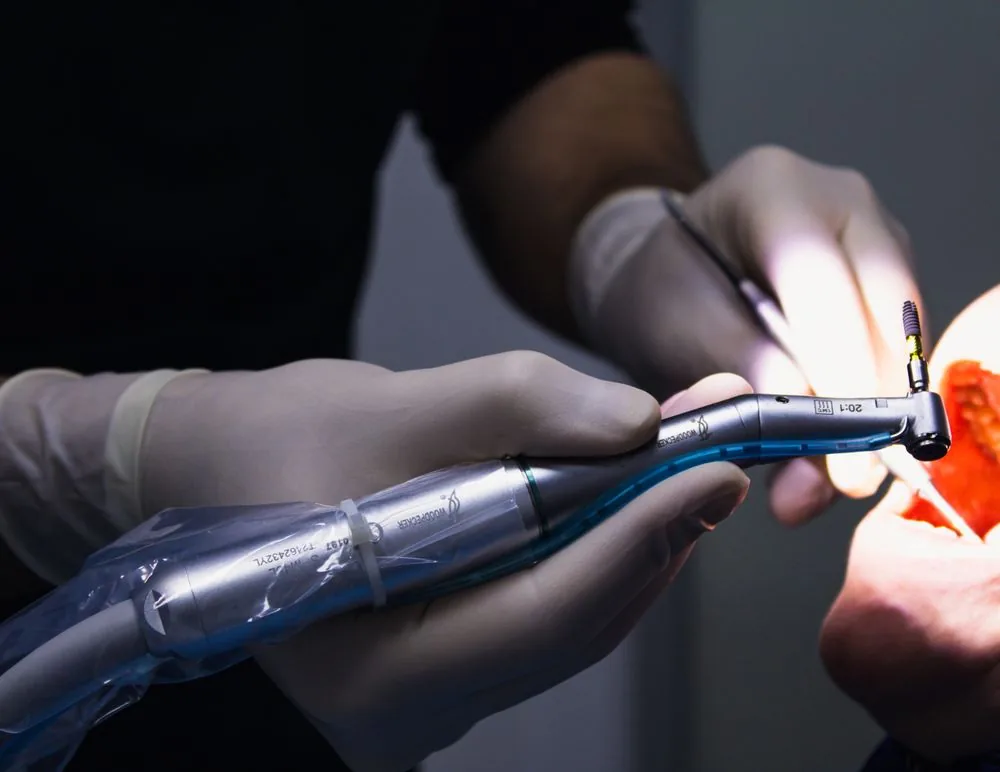
Save your tooth and relieve pain with a root canal performed by specialists.
A root canal lets you keep a tooth damaged by deep decay or infection, without having to extract it. The affected inner tissue is removed, the canal is cleaned and sealed, and the tooth is then restored so it works again.
Intense or spontaneous pain, prolonged sensitivity to heat or cold and discomfort when biting can indicate the tooth's nerve is affected. Treating it in time with a root canal avoids extraction and bigger complications. After treatment, the tooth usually needs a crown or restoration to protect it.
Benefits
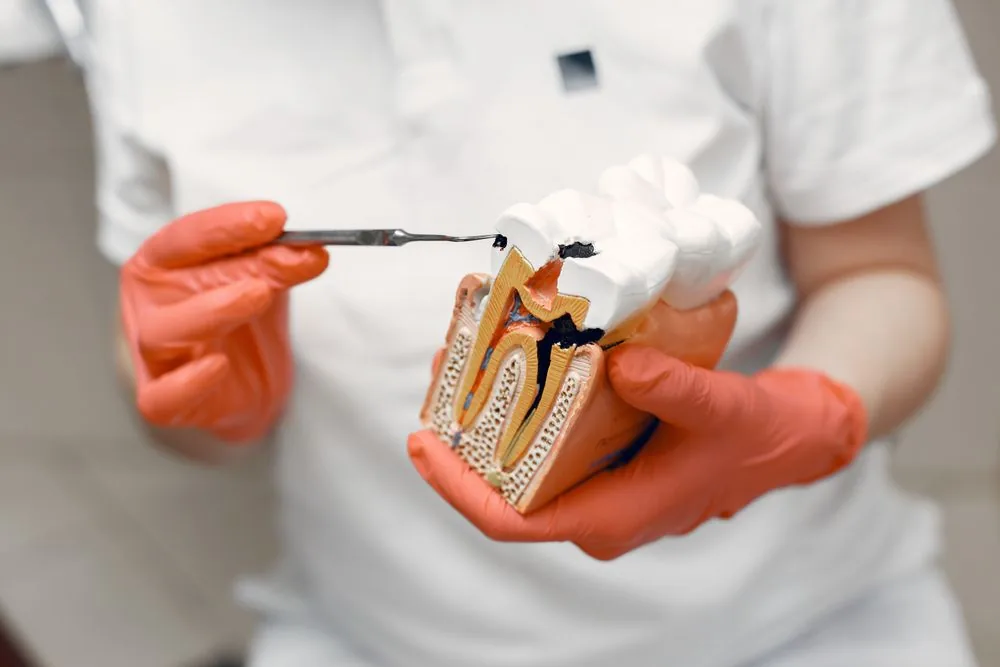
How it works
- Diagnosis. We evaluate the tooth with an X-ray.
- Canal cleaning. The affected tissue is removed and disinfected.
- Sealing. The canal is filled and sealed.
- Restoration. The tooth is protected with a crown or resin.
Our technology
At Smile Experts we work with a 3D intraoral scanner, digital planning and CAD/CAM manufacturing. This technology lets us reach more accurate diagnoses, more comfortable treatments and predictable results, with less margin for error and less time in the chair. We digitize your case, plan it step by step and show you the expected result before we begin.
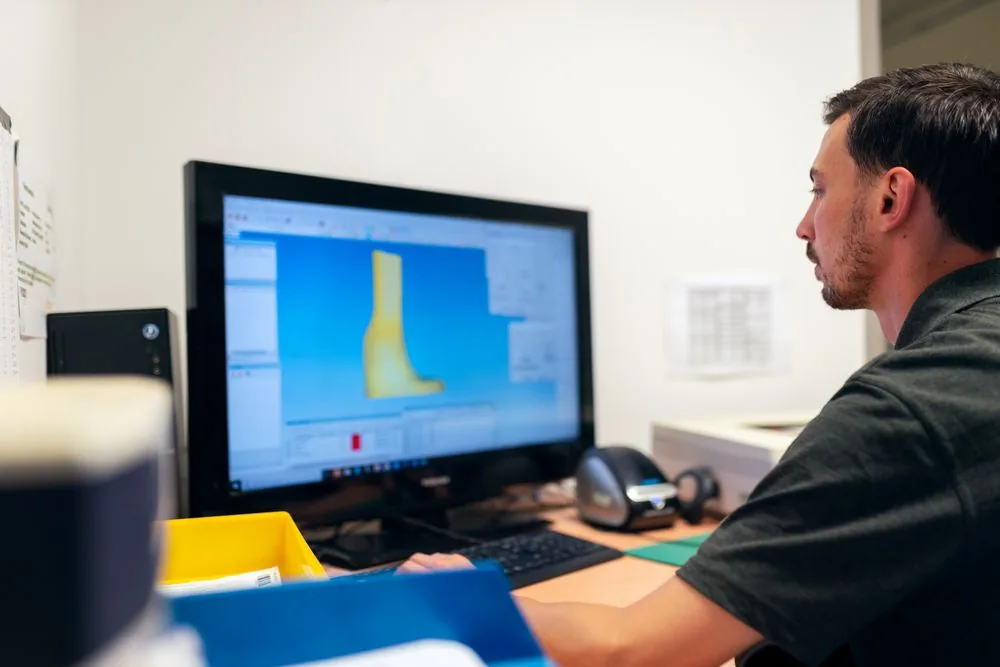
Technology & why choose us
Located in Polanco
Easy-access clinic at Lafontaine 73, 3rd floor, with nearby parking.
3D & CAD/CAM technology
Intraoral scanning, digital planning and computer-guided, precision manufacturing.
Flexible financing
Payment plans and interest-free months on eligible treatments with participating cards.
Board-certified specialists
A real specialist handles your case, with in-person follow-up. Not an app.
Price & financing
The cost depends on the tooth and the number of canals. We offer financing on eligible treatments. Your quote is set at the assessment.
Frequently asked questions
Does a root canal hurt?
It's done under anesthesia; in fact, it relieves the pain the infection caused.
How many visits does it take?
Depending on the case, one or several visits.
Do I need a crown afterward?
Often yes, to protect the treated tooth.